

Spray Foam Insulation
Cut your cooling bill and seal the Valley heat out.
Open-cell and closed-cell spray foam seals the gaps fiberglass leaves behind. Attics, walls, metal buildings, and new construction — foam stops air infiltration, controls humidity, and takes real load off your A/C during a South Texas summer.
Spray foam in action
Cut Your Cooling Bill And Seal The Valley Heat Out
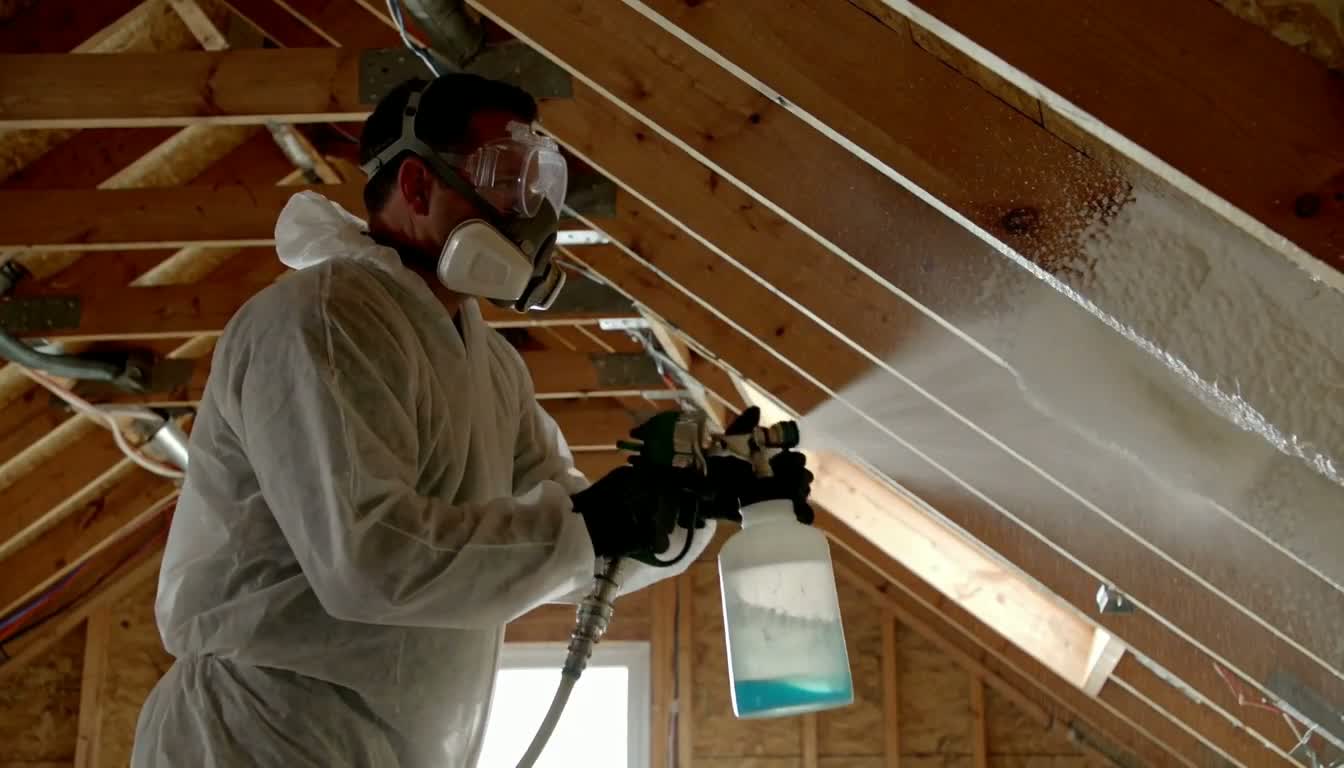
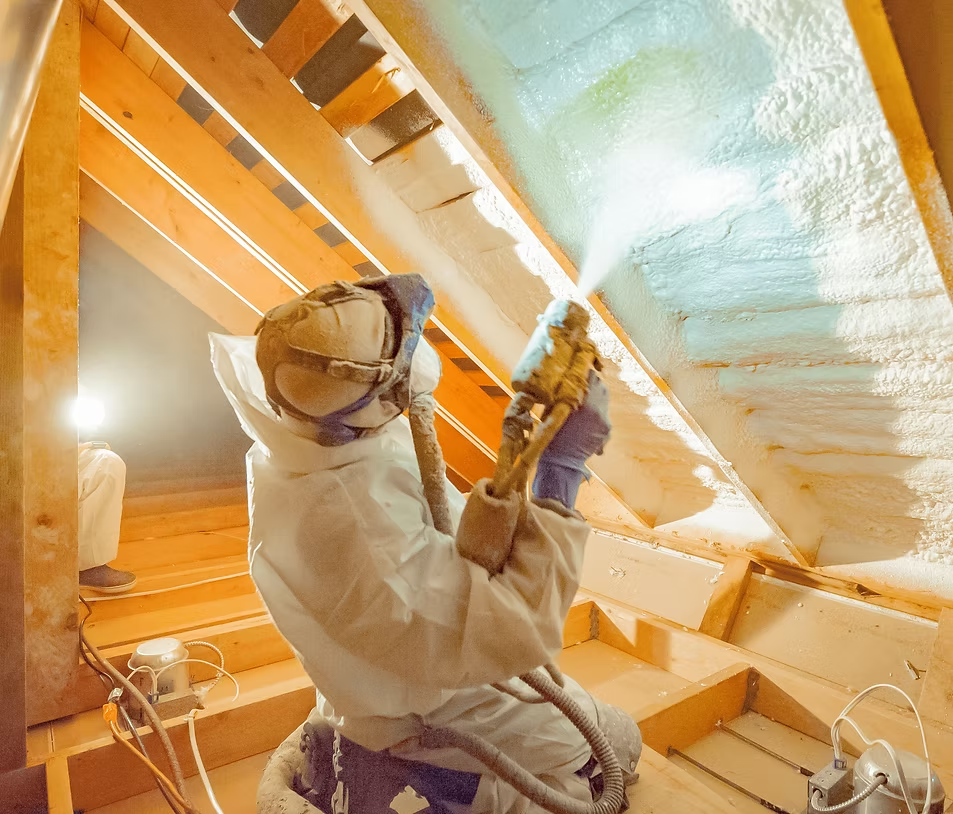
A Spartan seal
Spray Foam: A Sound Investment
Reduce Energy Costs
Minimize heating and cooling expenses by preventing energy loss and enhancing your home's overall energy efficiency.
Improve Comfort
Maintain a consistent indoor temperature and eliminate drafts, ensuring a more comfortable living environment throughout the year.
Enhance Air Quality
Reduce the infiltration of pollutants and allergens, contributing to a healthier indoor air quality.
Boost Property Value
Increase your home's market value with an energy-efficient upgrade that appeals to environmentally conscious buyers.
What's included
Built to Spartan standard
- Open-cell and closed-cell foam applications
- Attics, walls, crawl spaces, metal buildings, and new builds
- Lower cooling costs and a more even indoor temperature
- Moisture and air-infiltration control
How the project runs
- 1
Energy assessment
We inspect the attic, ductwork, and existing insulation.
- 2
Prep & protection
Masking, ventilation, and site protection before spraying.
- 3
Application
Certified installers spray to the specified thickness and R-value.
- 4
Inspection
Coverage checked, trimmed, and cleaned; documentation provided.
Common questions
- Open-cell or closed-cell?
- Open-cell is cost-effective for attics and interior walls; closed-cell adds structural strength and a moisture barrier. We recommend based on the space.
- Can foam be added over existing insulation?
- In some cases. Old batts are often removed first for a proper seal.